
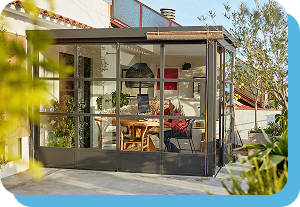
Spring brings longer days, more sunlight, and the perfect reason to spend more time in spaces that connect your home to the outdoors. A well-designed sunroom can become a quiet reading spot in the morning, a bright gathering space in the afternoon, and a comfortable retreat when the weather turns cool. At Bluewater Exteriors, in Foley, AL, we help homeowners design sunrooms that feel inviting in every season while blending naturally with the rest of the home.
Start With How You Plan to Use the Space
A sunroom works best when the design reflects how you want to spend time in it. Before thinking about finishes or furniture, picture the daily moments that will happen in the room. Some homeowners imagine quiet mornings with coffee and a book. Others picture a bright space where friends gather during spring weekends. A family may want a relaxed spot where kids can play while adults watch from nearby.
These choices affect the layout of the room. A reading room benefits from comfortable seating and soft lighting that works during cloudy afternoons. A social gathering area needs enough floor space for conversation and movement. A family room may need durable flooring and seating that can handle daily use.
Think about the rhythm of your home. A sunroom next to the kitchen often becomes an informal dining space. One connected to the living room may extend your main entertaining area. A sunroom off a bedroom can become a private retreat filled with natural light.
Choose Window Placement That Maximizes Natural Light
The defining feature of any sunroom is the amount of daylight that the space gets. When positioned thoughtfully, windows create a warm and inviting environment without overwhelming the room with glare.
Think about the direction the sun travels across your property. Morning light creates a gentle glow that works well for breakfast areas or reading corners. Afternoon light tends to be stronger and may require thoughtful shading or window treatments. Large vertical windows allow light to travel deep into the room while maintaining clear outdoor views.
Window height also matters. Tall windows can make the ceiling feel higher and allow light to spread evenly across the floor. Lower windows may frame gardens or landscaping outside.
Create Comfortable Airflow for Changing Spring Weather
Spring weather can change throughout the day. Cool mornings often give way to warm afternoons, which means airflow matters as much as sunlight. A sunroom that traps warm air quickly becomes uncomfortable even during mild weather.
Proper ventilation keeps the space pleasant throughout the day. Windows that open allow fresh air to circulate when outdoor conditions are comfortable. Ceiling fans help move air gently across the room so warm spots do not develop near the ceiling.
Placement matters as much as the equipment itself. A ceiling fan positioned near the center of the room distributes air evenly across seating areas. Windows placed on opposite sides of the room create natural cross ventilation.
Select Flooring That Works With Sunlight and Daily Use
Sunrooms experience more sunlight than most other spaces in a home. That sunlight affects flooring choices more than people realize. Materials that look beautiful in a showroom may fade or warm up too much when exposed to constant daylight.
Tile and stone surfaces handle sunlight well and remain comfortable during warm afternoons. Engineered wood flooring can add warmth to the room while maintaining durability. Many homeowners also choose high-quality luxury vinyl materials that resist fading and moisture while offering a softer feel underfoot.
Consider how the room connects to the outdoors. A sunroom often serves as a transition space between the yard and the interior of the house. Flooring that handles light foot traffic and changing weather conditions helps the space stay attractive throughout the year.
Plan Electrical and Lighting for Day and Night Use
Natural light defines a sunroom during the day, yet the space should remain useful after sunset. Thoughtful electrical planning allows the room to shift smoothly from bright daylight to comfortable evening lighting.
Ceiling fixtures provide general illumination once daylight fades. Recessed lighting works well when you want a clean ceiling line without visual clutter. Wall sconces or floor lamps can create softer light near seating areas, which makes the room feel comfortable during the evening.
Electrical outlets deserve attention as well. Charging devices, table lamps, and small appliances all need convenient power sources. Planning outlet placement early prevents the need for extension cords later.
Choose Furniture That Supports Relaxed Living
Furniture shapes how the sunroom feels every day. The best layouts balance comfort with openness so the room never feels crowded. Because sunlight fills the space, many homeowners prefer lighter materials and fabrics that reflect natural brightness.
Comfortable seating often anchors the room. A pair of lounge chairs beside a window can create a quiet reading corner. A small sofa with accent chairs can turn the sunroom into a casual gathering area. Low tables provide a place for books, drinks, or decorative elements without blocking views.
Materials matter as much as layout. Upholstery that handles sunlight and regular use will hold its appearance longer. Natural textures such as wicker, rattan, or wood can complement the outdoor atmosphere of the space.
Connect the Sunroom With the Rest of the Home
A sunroom feels most natural when it blends with the surrounding areas of the house. This connection can come through color choices, flooring transitions, or architectural details that echo nearby rooms.
For example, a sunroom connected to a kitchen may continue the same flooring or cabinetry tones. A sunroom next to a living room may share trim styles or wall colors. These small details allow the space to feel integrated instead of separate.
Doorways and sight lines matter as well. Wide openings create a visual connection that draws natural light deeper into the home. Sliding doors or large glass panels can connect the sunroom to a patio or garden.
Use Plants and Natural Elements to Complete the Space
Plants thrive in the bright environment of a sunroom and help the space feel connected to the outdoors. Large leafy plants near windows can soften architectural lines while adding color and texture. Smaller potted plants placed on tables or shelves bring life to the room without overwhelming the layout.
Natural materials can complement the greenery. Wood tables, woven baskets, and stone accents reinforce the outdoor atmosphere while maintaining a comfortable indoor setting. Even simple elements such as linen curtains or textured rugs can add warmth to the space.
The goal is balance. Too many decorative items can make the room feel cluttered, while a few carefully chosen pieces create a calm and welcoming environment.
A Space Designed for Everyday Enjoyment
A thoughtfully designed sunroom can become one of the most comfortable areas in your home. With the right layout, windows, lighting, and climate control, you create a space that feels bright during the day and cozy in the evening. At Bluewater Exteriors, we help homeowners bring sunroom ideas to life through professional electrical work, lighting installation, ceiling fan upgrades, and climate comfort improvements that make these spaces enjoyable year-round. If you are ready to turn your sunroom vision into a functional part of your home, schedule a consultation with us and start designing a space you will enjoy every spring and beyond.

