
When you live along the Gulf Coast, dealing with moisture is just part of life. Unfortunately, that same humidity and frequent rainfall can also create the perfect conditions for mold around your windows and sills. Left unchecked, mold doesn’t just damage your home—it can also affect your family’s health.
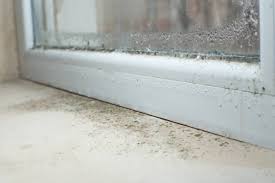
At Bluewater Exteriors, we know how frustrating it is to spot mold creeping into the corners of your windows or sills. That’s why we help homeowners identify the causes, stop the spread, and protect their homes.
Why You’re Seeing Mold on a Window Sill
Mold needs three things to grow: moisture, warmth, and a food source. Windows and sills provide all three, especially in a coastal climate. Here are the most common reasons we see mold in these areas:
- Condensation from humidity collects on glass and frames, leaving surfaces damp for long periods.
- Mold from water leaks enters through worn seals, failed flashing, or gaps in siding.
- Overflowing or clogged gutters push rainwater against siding and window frames.
- Poor indoor airflow in kitchens, bathrooms, and laundry rooms traps humidity.
- Organic buildup like wood, dust, or paint chips creates the perfect food source.
Early Signs to Catch Fast
Spotting mold early can save you from expensive repairs. Some homeowners first notice a faint musty odor, while others see discoloration along the sill. Here’s what to watch for:
- Black, green, or brown spotting in corners or along frames
- Peeling paint or bubbling finishes around the sill
- Wood that feels soft, spongy, or warped
- Persistent condensation or streaks on the glass
- Stains or watermarks below the window
Why Mold from Water Damage Is Serious
It’s one thing to clean up surface mold—but mold tied to water damage is much more serious. When moisture seeps into your walls or frames, it doesn’t just invite mold—it compromises your home’s integrity. Here’s why acting quickly matters:
- Structural risk: mold weakens wood and can spread into surrounding materials.
- Comfort and cost: failed seals reduce insulation and drive up energy bills.
- Health concerns: spores can aggravate allergies, asthma, and respiratory irritation.
- Resale impact: visible mold and stains make a poor impression on buyers.
How We Help Prevent Mold and Water Damage
Fortunately, there are ways to keep mold at bay. At Bluewater Exteriors, we focus on prevention by reducing excess moisture around your windows. Some of the most effective steps include:
- Maintaining gutters and downspouts: cleaning and adding guards keeps water flowing away from your home.
- Sealing and flashing windows: tight seals prevent water intrusion before it starts.
- Inspecting frames and caulk lines: regular checks catch small cracks or soft spots early.
- Cleaning sills regularly: removing dirt and dust keeps mold from finding food sources.
How We Protect Your Home
When mold is linked to moisture issues, a long-term solution requires more than just surface cleaning. That’s where we come in. Bluewater Exteriors protects Foley homes with:
- Seamless gutters and guards: directing rainwater safely away from walls and windows.
- Precision window replacement: installing high-performing windows that resist leaks and condensation.
- Screen enclosures and exterior upgrades: improving airflow and reducing trapped moisture.
- Seasonal inspections: catching clogged gutters, worn seals, and early wood rot before mold develops.
- Local Gulf Coast expertise: building with materials and methods that stand up to storms and humidity.
FAQs
What causes mold on a window sill?
Mold on a window sill is usually caused by condensation, leaky seals, or poor ventilation that leaves surfaces damp for too long.
Does water damage lead to mold?
Yes. Mold from water damage can develop within 24–48 hours when organic materials like wood or drywall remain wet.
How do I get rid of mold from water leaks around windows?
First, fix the source of the leak—whether it’s failed seals, flashing, or gutters. Then dry the area thoroughly. Small mold spots can be cleaned carefully, but larger or recurring growth requires professional help.
What’s the difference between surface mold and mold water damage?
Surface mold grows on top of materials and often comes back if moisture remains. Mold tied to water damage penetrates deeper, leading to rot and structural concerns.
Protect Your Home from Mold and Water Damage
Even a small patch of mold on a window sill can signal a bigger moisture problem. At Bluewater Exteriors, we don’t just clean up mold—we fix the source. From gutter systems to durable window replacements, we provide the solutions Gulf Coast homes need to stay dry, healthy, and mold-free.
Ready for an expert opinion? Contact Bluewater Exteriors today to schedule your free estimate and protect your home from mold and water damage.

